
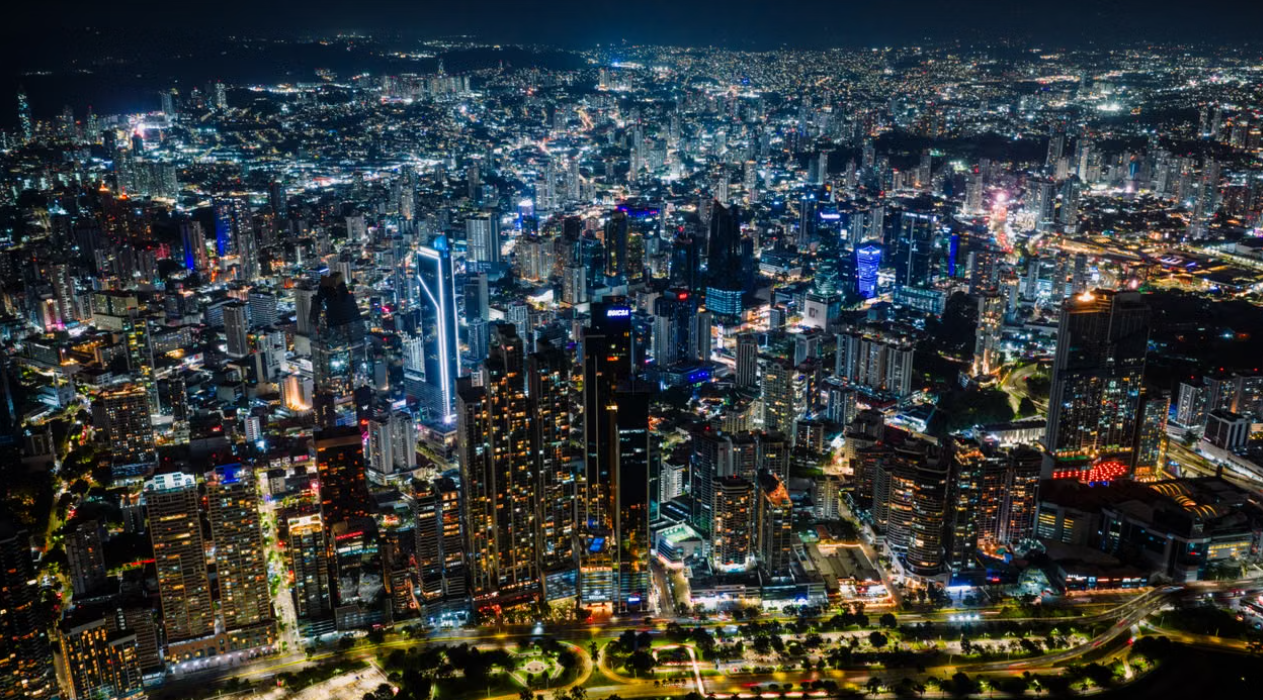
Why Panama's Infrastructure Boom Is Changing the Future of Real Estate
When people think about buying property in Panama, they often focus on beaches, climate, cost of living, or retirement.
Those are certainly important factors.
But experienced real estate investors know that one of the biggest drivers of long-term property value is something much less glamorous: infrastructure.
Roads, rail systems, bridges, airports, ports, utilities, and public investment shape how cities grow, where businesses relocate, and which communities become tomorrow's real estate hotspots.
Today, Panama is in the middle of one of the largest infrastructure expansion programs in its modern history.
Billions of dollars are being invested in transportation, logistics, water security, tourism, and urban development. These projects are not only transforming how people move around the country—they are also influencing where people choose to live and invest.
If you're considering buying property on Panama's Pacific Coast, understanding these developments can help you make a more informed long-term decision.
Why Infrastructure Matters in Real Estate
One of the oldest principles in real estate is that infrastructure creates opportunity.
New highways reduce travel times.
Transit systems make communities more accessible.
Utilities support new residential developments.
Commercial investment attracts businesses, restaurants, schools, and healthcare.
Over time, these improvements can increase demand for surrounding neighborhoods.
That does not mean every project automatically increases property values, but strong infrastructure often creates conditions that support long-term growth.
Panama has long benefited from its strategic location. Now, the country is reinforcing that advantage through significant public and private investment.
Metro Line 3: Connecting Panama Oeste Like Never Before
One of the country's most important infrastructure projects is Metro Line 3.
Designed to connect Panama City with Panamá Oeste, the project represents a major improvement in regional mobility. In June 2026, the government confirmed the project had reached approximately 77% completion, with operations expected in 2028. The project also marked an engineering milestone with the tunnel excavation beneath the Panama Canal advancing into its final phase. Presidencia de Panamá
For residents of Panamá Oeste, this means shorter commutes and improved access to employment, education, and services.
For real estate buyers, improved connectivity often expands the appeal of surrounding communities over time.
The Fourth Bridge Over the Panama Canal
Another transformational project is the Fourth Bridge over the Panama Canal.
Construction reached approximately 37% completion in 2026, with delivery targeted for 2028. Once complete, the bridge is expected to ease congestion between Panama City and the rapidly growing western region while improving freight and commuter traffic. La Prensa Panamá
Projects like this rarely affect only transportation. They also influence residential demand, commercial development, and investor confidence across connected areas.
The Panama–David Railway: A Long-Term Vision
The proposed Panama–David railway has generated significant attention.
While the project is not yet under construction, it remains in the study and pre-investment phase, with feasibility studies, environmental work, and financial analysis continuing. Officials have indicated that the first construction tender could begin in 2027 if studies and financing move forward. Panamá Train
If eventually completed, the railway would strengthen connections between Panama City, the country's agricultural regions, and western Panama.
For buyers, the project illustrates the government's long-term commitment to improving national connectivity, even though its exact timeline remains subject to future approvals.
Water Security and the Future of the Panama Canal
One of the country's most strategic investments is not transportation at all.
It is water.
The Panama Canal depends on freshwater to operate, and recent drought conditions have highlighted the importance of securing future water supplies.
Projects such as the proposed Río Indio reservoir are designed to strengthen long-term water availability for canal operations and national consumption, reinforcing the country's position as one of the world's leading logistics hubs.
Although these projects may not directly affect residential neighborhoods, they demonstrate Panama's commitment to protecting the infrastructure that supports its economy.
Private Investment Is Also Reshaping Panama
Infrastructure growth is not limited to government projects.
Private developers continue investing in residential towers, mixed-use communities, luxury developments, hotels, and resort destinations.
Projects such as Bioma Costa del Este and the upcoming Margaritaville development at Playa Caracol reflect growing confidence in Panama's long-term real estate market.
These developments create jobs, attract tourism, and expand the range of lifestyle options available to both residents and international buyers.
What This Means for Panama's Pacific Coast
While many of the country's largest infrastructure projects are centered around Panama City and Panamá Oeste, the Pacific Coast also benefits from broader economic growth.
Communities such as:
- Coronado
- San Carlos
- Gorgona
- Santa Clara
- Playa Blanca
- Río Hato
- Buenaventura
continue attracting buyers because they combine beach lifestyle with improving accessibility.
Panama City's continued expansion strengthens demand for weekend homes, retirement properties, second residences, and investment opportunities along the Pacific Coast.
Better highways, airport improvements, and regional services make these communities increasingly attractive for both local and international buyers.
Infrastructure Is Only Part of the Story
Infrastructure alone does not determine whether a property is a good investment.
Buyers should also evaluate:
- Title status
- Community quality
- Road access
- Maintenance
- Rental demand
- Long-term resale potential
- Healthcare access
- Lifestyle fit
A property located near major infrastructure improvements can benefit from future growth, but only if the property itself is fundamentally strong.
That is why local market knowledge remains essential.
Why Buyers Should Pay Attention Now
Real estate markets often respond gradually to infrastructure improvements.
Some buyers prefer to wait until projects are complete.
Others prefer to buy before improvements are fully reflected in property prices.
There is no universal strategy.
However, understanding where infrastructure investment is occurring allows buyers to make more informed decisions based on long-term trends rather than short-term headlines.
Final Thoughts
Panama is entering one of the most significant infrastructure investment periods in its recent history.
Metro expansions, major bridges, water security initiatives, logistics projects, and private real estate developments are all contributing to the country's continued growth.
For buyers considering Panama's Pacific Coast, these projects reinforce an important point: real estate value is shaped not only by the property itself, but also by the broader environment around it.
Communities such as Coronado, San Carlos, Buenaventura, Gorgona, Santa Clara, Playa Blanca, and Río Hato already offer attractive lifestyles. As Panama continues investing in connectivity and national infrastructure, these areas are well positioned to remain among the country's most desirable places to live and invest.
At United Country Panama Coastal, we help buyers understand the market, compare communities, identify opportunities, and navigate the buying process with confidence.