
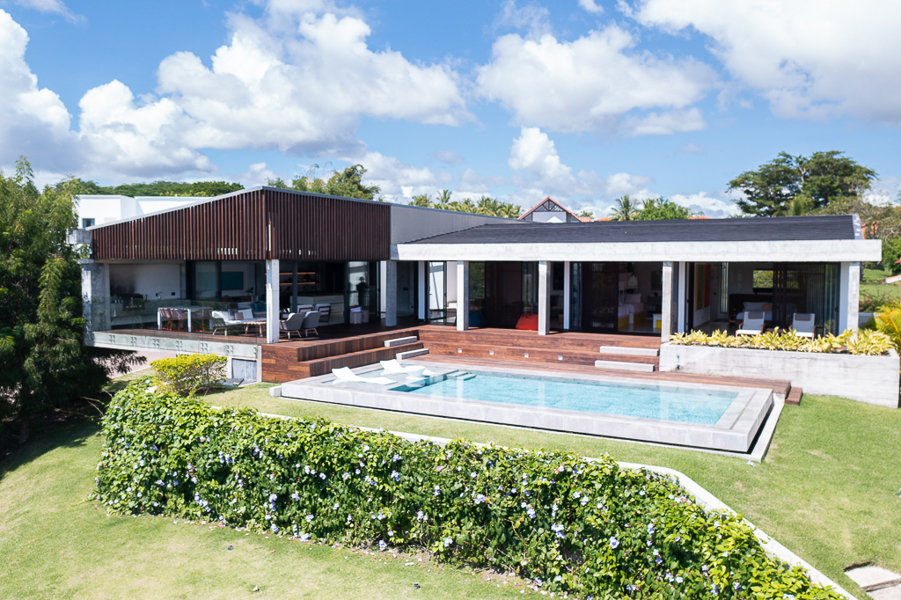
Buying a Furnished Home in Panama: What Should Be Included?
Imagine finding your ideal beachfront condo in Coronado. It has beautiful ocean views, a comfortable living room, a fully equipped kitchen, and a spacious balcony with outdoor furniture.
The listing says the property is fully furnished.
You make an offer, negotiate the price, and begin planning your move to Panama.
But when you receive the keys, the television is missing, the outdoor furniture has disappeared, and the seller has taken several appliances you assumed were included.
Unfortunately, situations like this can happen when buyers and sellers have different expectations about what a furnished property includes.
For international buyers purchasing real estate in Panama, understanding the difference between furnished, equipped, and move-in-ready properties is essential.
Whether you are buying a beachfront condo in Nueva Gorgona, a vacation home in Playa Blanca, or a luxury residence in Buenaventura, knowing exactly what you are purchasing can help prevent unexpected expenses and disagreements.
Here is what buyers should understand before signing a contract for a furnished home in Panama.
1. What Does "Fully Furnished" Actually Mean in Panama?
One of the first things foreign buyers should understand is that the term fully furnished does not guarantee a standardized collection of furniture, appliances, and household items.
Different sellers may interpret it differently.
A homeowner may consider a property fully furnished because it includes beds, sofas, dining furniture, and major appliances.
Another seller may include everything needed for immediate occupancy, including kitchenware, linens, televisions, and outdoor furniture.
These differences become particularly important when purchasing resale properties.
In Panama, buyers will commonly encounter several descriptions.
Fully Furnished
Generally suggests that the property includes the principal furniture necessary for everyday living.
Depending on the agreement, this might include beds, sofas, dining furniture, appliances, and selected accessories.
However, the description alone does not establish exactly which items will be transferred.
Fully Equipped
Often suggests that the property includes more than furniture.
For example, a furnished and equipped condo may include kitchen utensils, cookware, small appliances, televisions, and laundry equipment.
Still, buyers should verify each item individually.
Turnkey or Move-In Ready
A turnkey property is generally presented as ready for immediate occupancy, with limited additional setup required.
However, turnkey is primarily a marketing description.
Buyers should not assume it automatically includes everything shown in photographs or everything necessary to operate a vacation rental.
Partially Furnished
A partially furnished property may include some furniture, major appliances, or installed equipment, but not a complete household setup.
The most important lesson is simple:
The property description introduces the offering. The written purchase agreement and its supporting inventory should define exactly what the buyer receives.
2. Furniture, Appliances, and Fixtures: Understanding the Differences
Not every item inside a home is treated the same way.
This distinction matters because buyers sometimes assume that anything physically present during a showing will remain after the sale.
In Panama, the Civil Code distinguishes between movable and immovable property, including certain items permanently attached to a building.
However, determining whether a particular item must remain may require examining its installation, ownership, and the specific transaction documents.
The most practical approach is to identify the important items before signing the purchase agreement.
Major Appliances
Kitchen and laundry appliances are particularly important because replacing them can be expensive.
A furnished home may include a refrigerator, stove, oven, microwave, dishwasher, washer, and dryer.
In Panama, major appliances are often referred to as línea blanca.
But buyers should never assume that all appliances are automatically included.
For example, a seller may plan to take a recently purchased refrigerator while leaving the built-in oven and cooktop.
This should be clarified during negotiations.
Air Conditioning
Air conditioning is especially important along Panama's Pacific Coast.
In Coronado, Gorgona, San Carlos, and Playa Blanca, cooling equipment contributes significantly to daily comfort.
Buyers should confirm which air-conditioning systems are included, whether they function properly, and whether any units are scheduled for replacement or removal.
For split systems, the agreement should address both indoor and outdoor components.
Built-In Features
Items such as kitchen cabinets, built-in closets, permanently installed lighting, and certain bathroom fixtures may have a different legal character from movable furniture.
Nevertheless, buyers should confirm that the property will be delivered with the installed features they expect.
Special attention should be given to decorative lighting, custom mirrors, ceiling fans, and expensive fixtures that a seller might want to remove.
Movable Furniture and Personal Belongings
Sofas, beds, tables, chairs, rugs, artwork, and decorative accessories are generally movable items.
They should be specifically identified when included in the sale.
Photographs showing a beautifully decorated room do not necessarily mean all its contents are included in the transaction.
3. The Furniture Inventory: Your Most Important Document
When purchasing a furnished property in Panama, a detailed inventory is one of the most valuable documents a buyer can request.
The inventory should identify the furniture, appliances, equipment, and household items that the seller agrees to leave behind.
Ideally, it should be organized room by room and accompanied by photographs.
For higher-value items, descriptions should include the brand, model, and serial number when available.
Here is an example of how an inventory might be organized.
| Area | Included Items | Condition |
|---|---|---|
| Living room | Sofa, coffee table, television, ceiling fan | Used, good condition |
| Dining room | Dining table and six chairs | Used, good condition |
| Kitchen | Refrigerator, stove, microwave, dishwasher | Working |
| Primary bedroom | King-size bed, mattress, nightstands | Used, good condition |
| Guest bedroom | Queen-size bed, mattress, dresser | Used, good condition |
| Laundry | Washer and dryer | Working |
| Balcony | Outdoor dining set, four chairs | Used, good condition |
This example is intentionally simple.
For an actual transaction, the inventory should provide enough detail to identify each important item clearly.
A description such as "one television" is less useful than identifying its brand, approximate size, and location.
Similarly, the inventory should distinguish between a complete bed and a bed frame without a mattress.
Why Photographs Matter
Photographs provide an additional record of the items and their visible condition.
This is especially useful for international buyers who may return to their home country before closing.
A signed inventory with dated photographs can reduce disagreements about missing furniture, substitutions, and damage.
Both parties should review and approve the final inventory.
4. Items That Buyers Frequently Forget to Ask About
Some of the most frustrating disagreements involve smaller items rather than expensive furniture.
Consider the following examples:
Window treatments: Curtains, blinds, blackout shades, and their hardware
Lighting: Chandeliers, pendant lights, ceiling fans, and decorative fixtures
Electronics: Televisions, speakers, routers, and entertainment equipment
Outdoor furniture: Patio tables, lounge chairs, umbrellas, and barbecue grills
Kitchen equipment: Coffee makers, blenders, cookware, dishes, and utensils
Household essentials: Linens, towels, cleaning equipment, and vacuum cleaners
Property equipment: Water pumps, generators, water heaters, and related accessories
These items can represent a meaningful additional expense if they must be purchased after closing.
The best time to clarify their inclusion is during the offer and contract negotiation, not after the seller has moved out.
5. Inspecting the Condition of Furniture and Appliances
An inventory confirms what should be included.
It does not automatically establish whether the items work properly.
This is why buyers should also evaluate their condition.
A beachfront condo may look beautiful in photographs while containing appliances nearing the end of their useful life.
Coastal humidity and salt air can affect electrical components, metal fixtures, outdoor furniture, and air-conditioning systems.
When reviewing a furnished property, buyers should pay particular attention to the condition of the refrigerator, stove, washer, dryer, and air-conditioning equipment.
A professional property inspection may help identify problems with installed systems and major equipment.
For furniture, buyers should examine upholstery, mattresses, cabinets, and outdoor materials for excessive wear, moisture damage, or deterioration.
Does Used Furniture Come With a Warranty?
Buyers should not assume that secondhand furniture and appliances are covered by a manufacturer's warranty.
Any remaining manufacturer warranty should be verified, including whether it is transferable.
Likewise, statements about an appliance being in perfect condition should be documented when they form part of the negotiated agreement.
A seller may agree to deliver equipment in working order or complete specific repairs before closing.
The contract should clearly describe those obligations and the consequences if they are not satisfied.
6. Why the Purchase Agreement Must Address Furnishings
In Panama, a real estate transaction commonly involves a Contrato de Promesa de Compraventa, or Promise of Purchase and Sale Agreement.
This agreement establishes the principal terms of the transaction, including the property, price, payment arrangements, closing conditions, and obligations of the parties.
When purchasing a furnished property, the furniture inventory should be expressly incorporated into the contractual arrangement.
Depending on the advice of the parties' attorneys and any lender requirements, the inventory may be attached as a separately signed annex.
The agreement should establish which furnishings are included, which items are excluded, the condition in which they must be delivered, and whether substitutions are permitted.
It should also address what happens if an included appliance stops working or an item is removed before handover.
What About an "As-Is" Sale?
Some properties are offered in their existing condition, sometimes described as as-is.
This does not answer every question about what personal property is included.
The physical condition of the home and the inventory of included furnishings are separate issues.
A buyer may accept used furniture in its current condition while still expecting the seller to deliver every item specifically identified in the inventory.
The agreement should make these distinctions clear.
Buyers should have an independent Panamanian attorney review the contract and inventory before signing or transferring a substantial deposit.
7. What Happens if the Seller Wants to Keep Certain Items?
It is common for sellers to have personal belongings or valuable furniture that they do not want to include in the sale.
A homeowner may wish to keep a family heirloom, an expensive piece of artwork, a particular television, or a favorite outdoor dining set.
There is nothing inherently wrong with these exclusions.
Problems arise when buyers discover them late in the transaction.
During negotiations, the seller should identify excluded items clearly.
For example, if the seller wants to keep the dining room chandelier, the buyer should know whether a replacement fixture will be installed before delivery.
If a seller plans to remove wall-mounted televisions, the parties should clarify whether the brackets remain and who is responsible for repairing any resulting wall damage.
Clear expectations protect both buyers and sellers.
8. Buying a Furnished Beachfront Condo vs. a Furnished House
The type of property can affect which equipment and furnishings deserve additional attention.
Furnished Condos in Coronado and Nueva Gorgona
Beachfront condominiums frequently appeal to buyers who want a convenient second home or retirement property.
In buildings such as Coronado Bay, Royal Palm, and Ocean Waves, buyers may find resale units offered with furniture and appliances.
Before purchasing, it is important to distinguish between items belonging to the apartment owner and amenities belonging to the condominium association.
Furniture in the building lobby, pool areas, gym, or shared social spaces is not part of an individual apartment's personal inventory.
Buyers should also verify parking and storage rights separately, since these may be established through property records or condominium documentation.
Furnished Homes in Punta Barco and San Carlos
Detached homes can involve additional equipment beyond the furniture inside the house.
Depending on the property, buyers may need to investigate swimming pool equipment, backup water systems, generators, solar installations, and landscaping equipment.
These systems can be important to the home's operation and may require specialized inspection.
The parties should clarify ownership, inclusion, condition, and any outstanding service obligations.
Resort Properties in Playa Blanca and Buenaventura
Properties in resort-style communities may contain specialized furniture packages, outdoor equipment, or accessories selected to complement the development.
Buyers should not assume that access to shared amenities, club memberships, or rental programs automatically transfers with a furnished property.
Those matters should be verified separately through the relevant community rules and agreements.
9. Is Buying a Furnished Property More Expensive?
Not necessarily.
A furnished home may have a higher asking price than a comparable unfurnished property, but this is not always the case.
Some sellers prefer to leave furniture behind because transporting it internationally would be expensive or inconvenient.
Others may have furnished a vacation home specifically for seasonal use and prefer to sell the complete setup.
For a buyer relocating from the United States, Canada, or Europe, an existing furniture package can reduce moving expenses and simplify the transition.
However, the value of used furniture should be assessed realistically.
A sofa that cost $4,000 several years ago may not add $4,000 to the property's current market value.
Likewise, expensive furniture selected according to the seller's personal taste may have limited value to a buyer planning to renovate.
When comparing furnished and unfurnished properties, consider the actual condition, usefulness, and replacement cost of the included items.
What if You Are Financing the Purchase?
Buyers using a mortgage should discuss the furniture arrangement with their lender and attorney.
The lender's appraisal may treat movable furnishings differently from the real property securing the loan.
If the parties assign a separate value to furniture, that allocation should reflect the genuine transaction and be documented appropriately.
Buyers should not assume that a bank will finance the entire value of a furniture package as part of the mortgage.
10. Buying a Turnkey Vacation Rental in Panama
Furnished properties can be especially appealing to investors who intend to rent the home when they are not using it.
Purchasing an apartment that already contains beds, furniture, appliances, and kitchen equipment may reduce the time and cost required to prepare it for guests.
However, a furnished home is not automatically a rental-ready investment.
A successful rental setup may require durable furnishings, adequate linens, replacement supplies, reliable internet, secure access, and professional management.
Buyers should also verify the property's rental permissions, condominium restrictions, and applicable legal requirements.
What About Existing Bookings?
If the property is currently operating as a vacation rental, the buyer should determine whether there are existing guest reservations.
The parties must agree on how those reservations will be handled, whether any deposits or prepaid amounts must be reconciled, and who is responsible for future guest obligations.
Rental platform accounts, reviews, photographs, and booking histories should not be assumed to transfer automatically.
Platform rules and applicable agreements may restrict transfers.
For investment buyers, the distinction between acquiring a furnished apartment and acquiring an operating rental business is important.
11. The Final Walkthrough: Confirming Everything Before Handover
One of the most important moments in a furnished property transaction is the final walkthrough.
Ideally, the buyer or an authorized representative should inspect the property as close as practical to the agreed handover date.
The purpose is to confirm that the home is being delivered according to the purchase agreement.
This includes verifying that the agreed furniture remains, appliances are present, required repairs have been completed, and no significant new damage has occurred.
Buyers should compare the property against the signed inventory and photographs.
What if an Item Is Missing?
If an agreed item is missing or damaged, the issue should be documented immediately and communicated through the parties' attorneys.
Depending on the contract and circumstances, the parties may agree on replacement, repair, a financial adjustment, or another appropriate remedy.
Any arrangement involving withholding or adjusting closing funds should be coordinated through the professionals responsible for the transaction.
Buyers should not assume that a missing item automatically entitles them to delay payment or cancel the transaction.
The available remedies depend on the agreement and applicable law.
Keys, Access Codes, and Equipment Manuals
A complete handover should also address practical access to the property.
This may include physical keys, access cards, garage remotes, alarm instructions, equipment manuals, and information about relevant maintenance providers.
Smart locks, cameras, and connected equipment should be transferred securely, with previous users' access removed where appropriate.
For internet and subscription services, buyers may need to establish their own accounts rather than inheriting the seller's personal login credentials.
12. Buying a Furnished Home in Panama While Living Abroad
Many international buyers complete much of the property search and purchasing process while living outside Panama.
This makes documentation even more important.
A buyer in Florida, Toronto, or London may tour a property during a short visit and return home before the closing is completed.
By the time possession is transferred, several weeks may have passed.
Without a detailed inventory, it can be difficult to establish what was originally included.
Remote buyers should request updated photographs, signed inventory documentation, and confirmation of the property's condition before handover.
When the buyer cannot attend the final walkthrough, a trusted local representative or qualified professional may be able to conduct it with appropriate authorization.
Video walkthroughs can also provide useful documentation, although they do not replace professional inspections when those are warranted.
For buyers purchasing a property they plan to use only part of the year, having reliable local support after closing can be equally valuable.
13. Frequently Asked Questions About Furnished Homes in Panama
Does fully furnished mean everything in the photographs is included?
No. Marketing photographs may show decorative objects, personal belongings, or furniture that the seller intends to remove. The items included in the transaction should be established in the written agreement and inventory.
Are kitchen appliances automatically included when buying a home in Panama?
Not necessarily. The inclusion of refrigerators, stoves, ovens, washers, dryers, and other appliances should be confirmed before signing the purchase agreement.
Do air conditioners stay with the property?
Installed systems may be treated differently from movable appliances depending on their characteristics and the applicable legal framework. The best practice is to identify all included air-conditioning systems expressly in the agreement.
Can I negotiate to include more furniture?
Yes. Furniture and equipment can form part of the negotiations between buyer and seller. The agreed items and conditions should be documented.
Should I pay extra for a furnished property?
That depends on the quality, age, condition, usefulness, and agreed value of the furniture. Buyers should evaluate whether the package provides genuine savings compared with purchasing replacement items.
Can I purchase a furnished property remotely?
Yes, subject to the legal and practical requirements of the transaction. Independent legal representation, detailed inventories, photographs, and appropriate inspections are particularly important.
Is a furnished home automatically ready for vacation rentals?
No. Rental readiness depends on equipment, management, permitted use, applicable regulations, and the property's condition.
Final Thoughts
Buying a furnished home in Panama can offer significant practical advantages.
For retirees, it can simplify the relocation process.
For vacation-home buyers, it can make seasonal ownership more convenient.
For investors, it may reduce the time and expense needed to prepare a property for rental use.
However, the convenience of purchasing a furnished property depends on knowing exactly what is included.
Furniture, appliances, air-conditioning equipment, outdoor accessories, and household essentials should be clearly identified before the transaction becomes binding.
A detailed inventory, appropriate inspections, clear contractual terms, and a final walkthrough can help protect both buyers and sellers.
Whether you are purchasing a beachfront condo in Coronado, an ocean-view apartment in Gorgona, a luxury residence in Buenaventura, or a private home in San Carlos, understanding the details of a furnished sale can make the entire experience more predictable.
Ultimately, buying a furnished property should mean fewer surprises, not more.
United Country Panama Coastal: Helping You Understand What You're Buying
At United Country Panama Coastal, we understand that purchasing real estate involves much more than selecting a location and agreeing on a price.
Our local market experience helps international buyers compare properties, understand the differences between communities, and ask the right questions before making important decisions.
From furnished beachfront condos to luxury homes and investment properties, we believe informed buyers are better positioned to make confident decisions.
At United Country Panama Coastal, we help buyers understand the market, compare communities, identify opportunities, and navigate the buying process with confidence.